State report
Foundation repair in Texas
In 21 of the 25 Texas cities we cover, at least one of the most-mapped soils is in the USDA high or very high shrink-swell class: Blackland Prairie clays such as Houston Black and Heiden in Central and North Texas, and Gulf Coast clays such as Lake Charles and Bacliff on the Beaumont Formation around Houston. Prolonged drought followed by heavy rain drives the shrink-swell cycle. From the Gulf Coast to the Panhandle, Texas homeowners face a wide range of soil conditions that stress foundations year-round.
- Very High13 cities
- High8 cities
- Moderate4 cities
Highest NRCS class among each city's four most-mapped USDA soil series.
Three kinds of Texas ground
Most Texas homes sit on a slab, but the ground under that slab changes by region — and so does what makes it move.
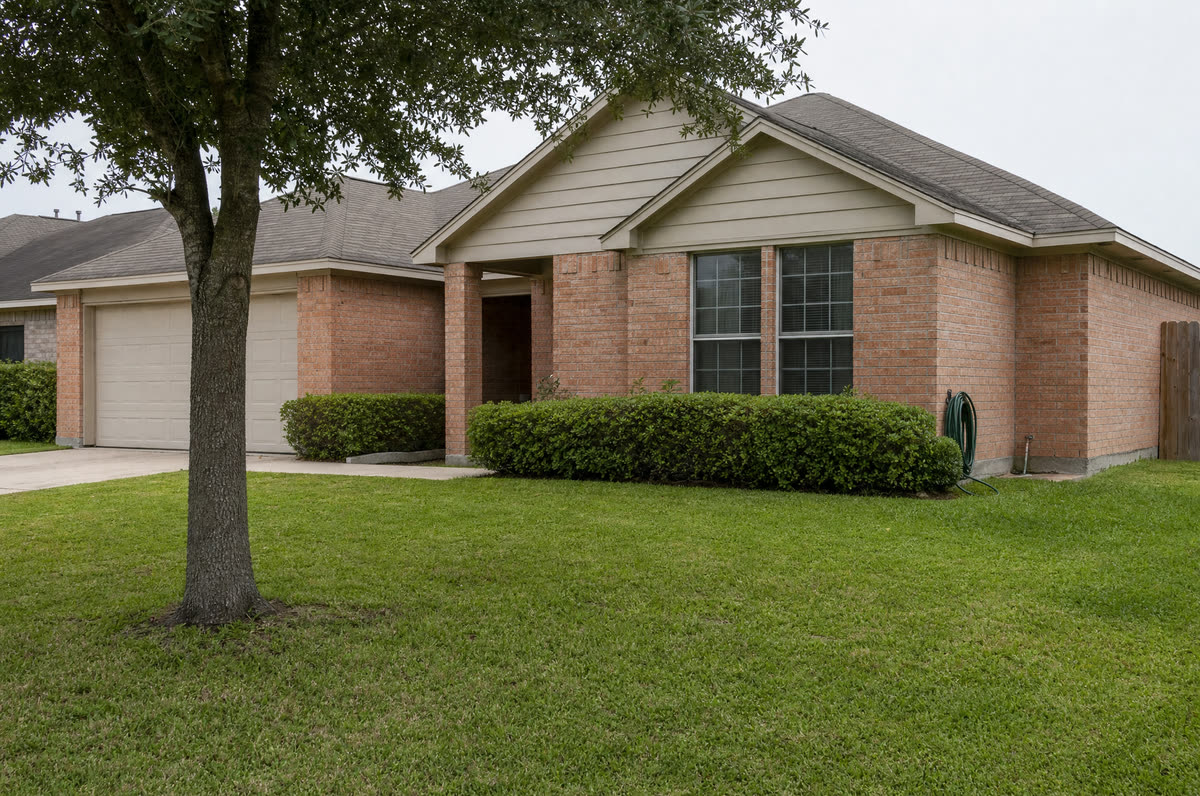
Gulf CoastA brick ranch on a slab over flat, poorly drained clay that can hold water near the surface. Houston soil and costs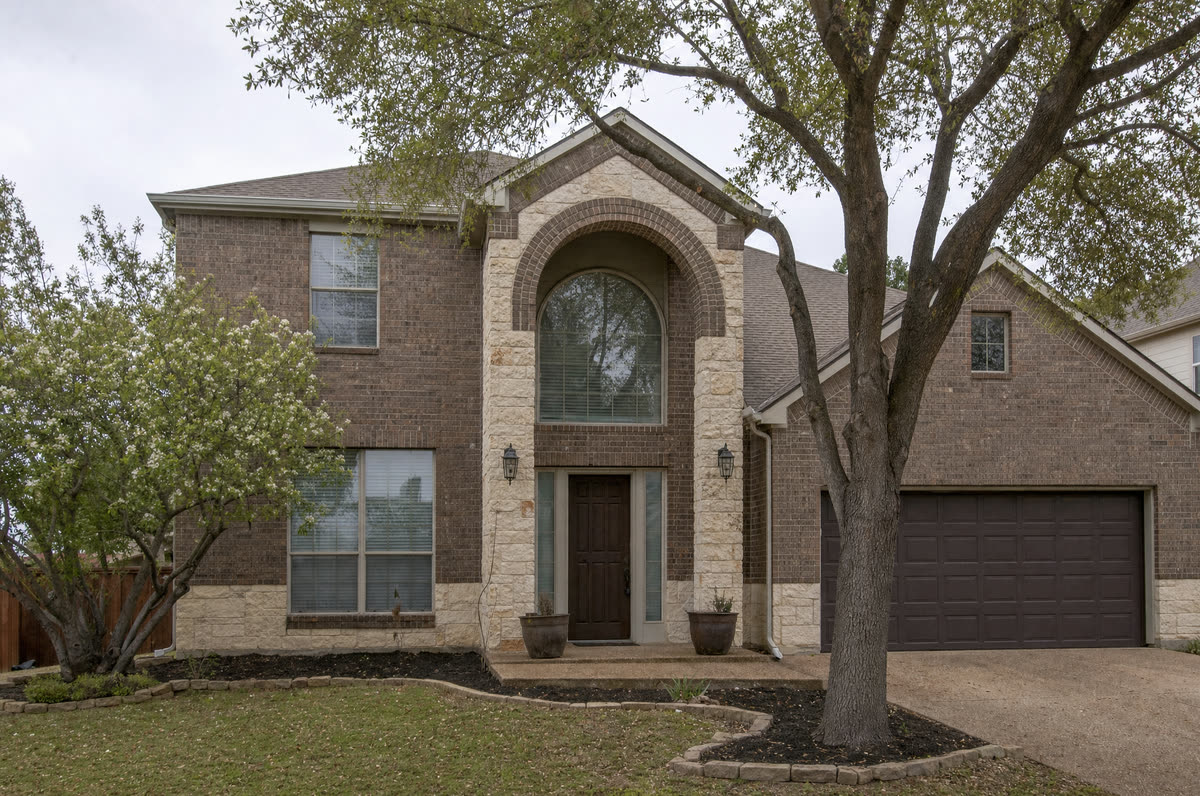
North TexasSlabs over Blackland Prairie clays such as Lewisville and Houston Black, in the high to very high shrink-swell class. Dallas soil and costs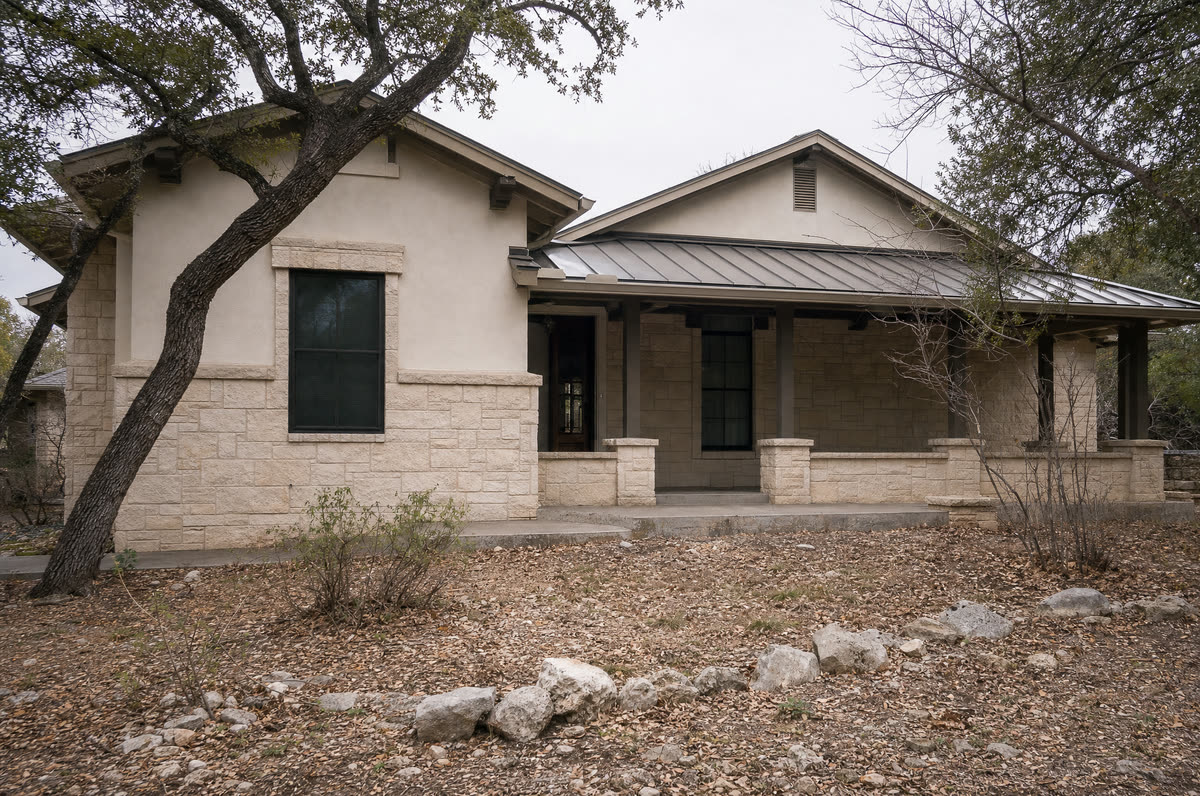
Central TexasShallow clay over limestone, so movement varies lot by lot. Austin soil and costs


Soils across Texas's cities
Most-mapped major soil series around each city in the USDA soil survey, the series with the highest shrink-swell, and the share of those top soils in the high or very high class. How we read the survey
| City | Most-mapped soil | Highest shrink-swell | Top soils high/very high |
|---|---|---|---|
| Houston | Bernard | Lake CharlesVery High LEP 13.6% | 100% |
| Dallas | Eddy | LewisvilleHigh LEP 7.5% | 48% |
| Fort Worth | Gasil | OvanHigh LEP 7.5% | 24% |
| San Antonio | Houston Black | Houston BlackVery High LEP 17% | 48% |
| Austin | Eckrant | HeidenVery High LEP 17% | 50% |
| Plano | Eddy | HeidenVery High LEP 17% | 72% |
| Arlington | Frio | FrioHigh LEP 8.3% | 50% |
| Frisco | Altoga | HeidenVery High LEP 17% | 100% |
| McKinney | Houston Black | Houston BlackVery High LEP 17% | 27% |
| Denton | Navo | NavoHigh LEP 7.5% | 25% |
| Round Rock | Heiden | HeidenVery High LEP 17% | 100% |
| Georgetown | Houston Black | HeidenVery High LEP 17% | 81% |
| Waco | Weswood | HeidenVery High LEP 17% | 77% |
| Tyler | Pickton | CuthbertModerate LEP 4.5% | 0% |
| Abilene | Rowena | RowenaHigh LEP 7.5% | 33% |
| Lubbock | Posey | BippusModerate LEP 4.5% | 0% |
| Amarillo | Olton | PullmanHigh LEP 7.8% | 50% |
| Midland | Amarillo | KimbroughModerate LEP 3.7% | 0% |
| Odessa | Kimbrough | ReaganModerate LEP 4.5% | 0% |
| Beaumont | Evadale | EvadaleVery High LEP 9% | 100% |
| Corpus Christi | Victoria | VictoriaVery High LEP 18.7% | 78% |
| El Paso | Harkey | GlendaleHigh LEP 7.5% | 28% |
| Laredo | Catarina | CatarinaVery High LEP 17% | 38% |
| Killeen | Lewisville | LewisvilleHigh LEP 7.5% | 30% |
| Temple | Heiden | HeidenVery High LEP 17% | 100% |
Source: USDA NRCS Soil Data Access (SSURGO). Soils vary lot by lot.
Selling a home with foundation issues in Texas
- Disclosure form
- TREC Seller's Disclosure Notice (OP-H)
- Does “as-is” waive disclosure?
- No
- Time limit for claims
- 2 years (DTPA); 4 years (fraud)
Treble damages are possible under the DTPA; agents are held to a "knew or should have known" standard.
Disclosure laws by stateContractor licensing in Texas
Texas has no state license for foundation repair contractors — bills to create one (SB 1399 in 2011, HB 613 in 2013) failed. Cities such as Houston and San Antonio regulate the work through permits and engineer requirements instead.
How to choose a companyGeneral information from our research of state statutes and forms; not legal advice. Confirm with a real estate attorney.
Texas Cities (25)
Each page has the local soil survey, climate normals, housing data and a sourced cost figure. Each row names the most expansive of the city's four most-mapped USDA soil series and its shrink-swell class.
- Houston, TXLake Charles$235,000 median home valueVery High
- Dallas, TXLewisville$270,700 median home valueHigh
- Fort Worth, TXOvan$250,300 median home valueHigh
- San Antonio, TXHouston Black$198,000 median home valueVery High
- Austin, TXHeiden$461,500 median home valueVery High
- Plano, TXHeiden$412,500 median home valueVery High
- Arlington, TXFrio$251,300 median home valueHigh
- Frisco, TXHeiden$531,400 median home valueVery High
- McKinney, TXHouston Black$400,400 median home valueVery High
- Denton, TXNavo$296,100 median home valueHigh
- Round Rock, TXHeiden$337,500 median home valueVery High
- Georgetown, TXHeiden$361,700 median home valueVery High
- Waco, TXHeiden$174,100 median home valueVery High
- Tyler, TXCuthbert$205,200 median home valueModerate
- Abilene, TXRowena$161,800 median home valueHigh
- Lubbock, TXBippus$181,600 median home valueModerate
- Amarillo, TXPullman$172,700 median home valueHigh
- Midland, TXKimbrough$280,700 median home valueModerate
- Odessa, TXReagan$193,500 median home valueModerate
- Beaumont, TXEvadale$150,400 median home valueVery High
- Corpus Christi, TXVictoria$180,900 median home valueVery High
- El Paso, TXGlendale$159,300 median home valueHigh
- Laredo, TXCatarina$164,400 median home valueVery High
- Killeen, TXLewisville$175,400 median home valueHigh
- Temple, TXHeiden$191,300 median home valueVery High
Related Guides
Want someone to look at your Texas foundation?
Send a free request with what you have noticed: cracks, doors that stick, floors that slope. If it turns out to be normal settling, that is a good answer too.
No obligation.